Dry Garden Patterns & Gravel
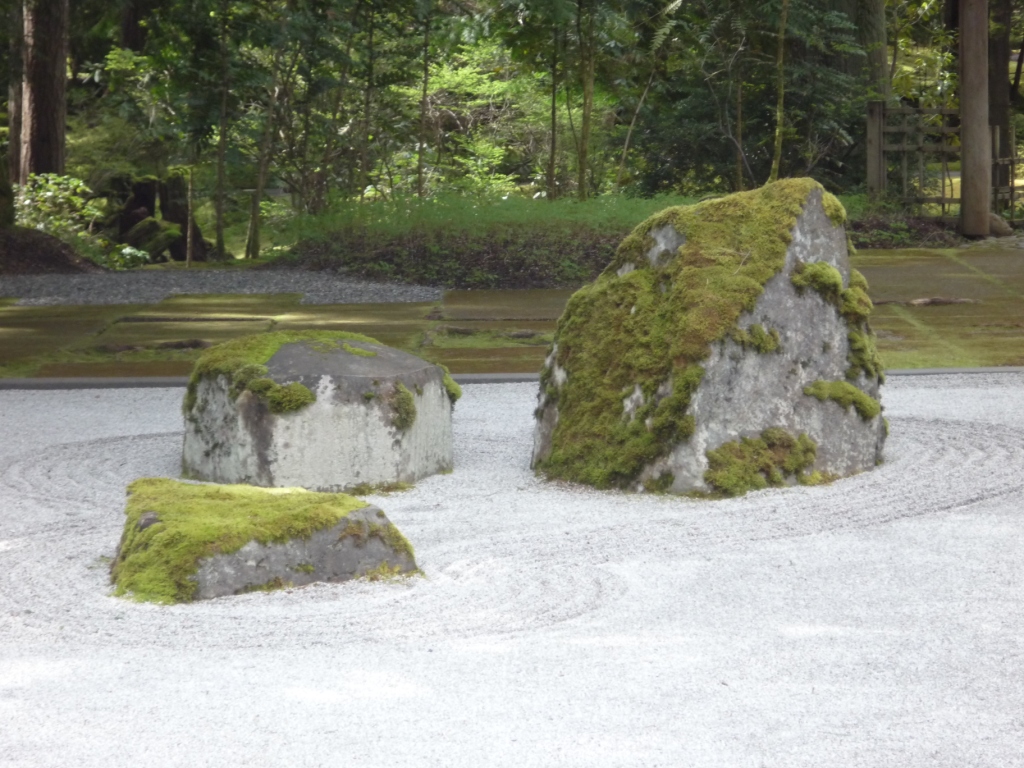
Gravel depth, rake tooth spacing, and seasonal moss control in karesansui layouts across Canada — practical detail for anyone working with dry Japanese rock gardens.

Featured Articles
Topics Covered
Three areas of karesansui practice that affect long-term appearance and maintenance in Canadian climate conditions.

Gravel Depth and Rake Tooth Spacing in Karesansui
How the depth of the gravel bed interacts with rake tooth spacing to produce consistent, repeatable furrow patterns in dry garden compositions.
Read article →
Seasonal Moss Control in Japanese Rock Gardens
Managing moss intrusion within gravel fields through the four Canadian seasons — when to intervene and when moss growth serves the composition.
Read article →
Karesansui Gravel Grades and Material Selection
Stone size classifications, surface texture considerations, and sourcing options for karesansui gravel in Canadian conditions.
Read article →Key Reference Points
Numbers That Matter
Most karesansui layouts use a compacted base layer with a 5–8 cm gravel fill above it. Shallower beds lose pattern definition within weeks.
Tooth spacing determines furrow width. Traditional wooden rakes used in temple practice typically space teeth 2–4 cm apart depending on gravel grade.
In most Canadian climate zones, moss colonisation in gravel fields requires active management twice yearly — spring thaw and mid-autumn.
Canadian Context
Karesansui in Canadian Gardens
Dry Japanese rock garden practice is documented in public gardens across Canada, including the Bloedel Reserve on Vancouver Island and the Nikka Yuko Japanese Garden in Lethbridge, Alberta. Each site reflects regional adaptations to freeze-thaw cycles and precipitation patterns that differ substantially from central Japan.
The primary challenge in Canadian karesansui maintenance is frost heave — the movement of embedded stones and the disruption of compacted gravel bases during repeated freeze-thaw events. Gravel selection, bed depth, and underlayer preparation all affect how well a composition holds its form through winter.
Moss behaviour also diverges from Japanese precedent. In humid coastal regions such as British Columbia, moss establishes quickly in gravel gaps and along stone edges; in Prairie provinces, desiccation and UV exposure suppress moss growth while wind erosion of fine gravel becomes the primary maintenance concern.
Contact
Send a Question
Use this form to submit a question or correction about karesansui practice. No account required.